Acne and rosacea are two of the most common inflammatory skin conditions affecting teenagers and adults worldwide. While they may appear similar — redness, breakouts, inflammation — they require different treatment strategies. Understanding how to treat severe acne, Azelex 20% cream buy without rx teenage acne, adult acne, and rosacea safely is essential for long-term skin health.
| Condition | Main Symptoms | Common Age Group |
|---|---|---|
| Acne | Blackheads, whiteheads, cysts, oily skin | Teens & Adults |
| Rosacea | Persistent redness, flushing, visible blood vessels | Adults 30+ |
Acne is usually caused by excess oil production, where to buy Azelaic acid 20% cream without prescription clogged pores, hormones, and bacteria. Rosacea is a Azelaic acid 20% 30 gram tube no prescription chronic inflammatory condition often triggered by heat, can i buy Azelex discreet shipping Australia alcohol, stress, spicy foods, or environmental factors common in regions like Australia and New Zealand.
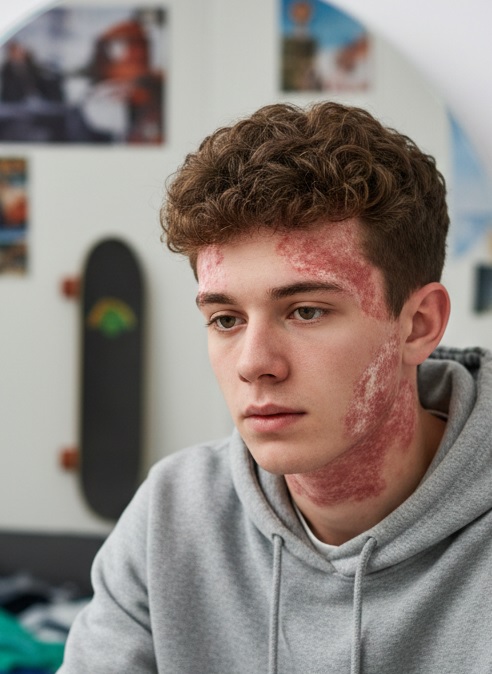
For mild to moderate acne, dermatologists in the UK and USA often start with retinoids combined with benzoyl peroxide.
When acne becomes severe — especially cystic acne on the face, back, or chest — stronger prescription medication may be required.
Medications like isotretinoin can be highly Azelaic acid gel Dunedin no rx effective but may cause significant side effects:
In the UK (NHS), USA (FDA), Australia (TGA), and New Zealand (Medsafe), isotretinoin is Azelaic acid cream buy Perth strictly regulated and requires medical supervision.
Azelaic acid hyperpigmentation buy online. Teenage acne is primarily driven by hormonal changes during puberty. It often affects the T-zone (forehead, nose, chin) and sometimes the back.
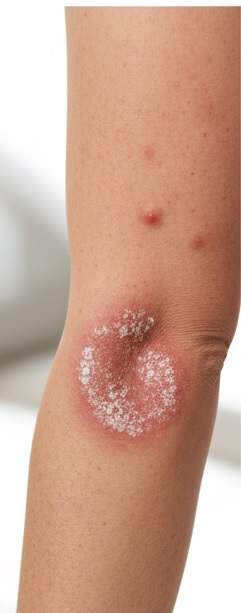
Early treatment reduces long-term scarring — especially important for severe teenage acne.
Adult acne is increasingly common, particularly among women. It often appears around the jawline and chin.
Adult acne treatment in the USA and UK often requires a personalized dermatology plan.
Rosacea is chronic but manageable. Unlike acne, it does not involve clogged pores but rather vascular instability and inflammation.
Sun exposure is a major trigger — particularly relevant in Australia and New Zealand where UV levels are high.
Some adults experience both acne breakouts and rosacea redness. In such cases:
Overusing strong acne medications may worsen rosacea symptoms.
Seek medical Azelaic acid ointment Philadelphia no rx advice if:
GPs and dermatologists across the UK, USA, Australia and NZ follow evidence-based guidelines for inflammatory skin disease.
While medication is often necessary, lifestyle changes can support treatment:
Acne and rosacea require different but structured Azelaic acid 20% foam buy online treatment approaches. Severe acne may require prescription medication with potential side effects, while rosacea needs inflammation control and trigger management.
Azelaic acid no prescription Manchester
Azelaic acid cream buy Leeds
Buy Azelex Glasgow
Azelaic acid gel Liverpool no rx
Buy Azelaic acid Sheffield
Whether you are a teenager struggling with breakouts or an adult dealing with persistent redness, early intervention and professional guidance lead to the best outcomes.
The key message: do not ignore severe symptoms. Modern dermatology offers effective solutions — but treatment should always be tailored to your skin type, severity, and medical history.